Blog
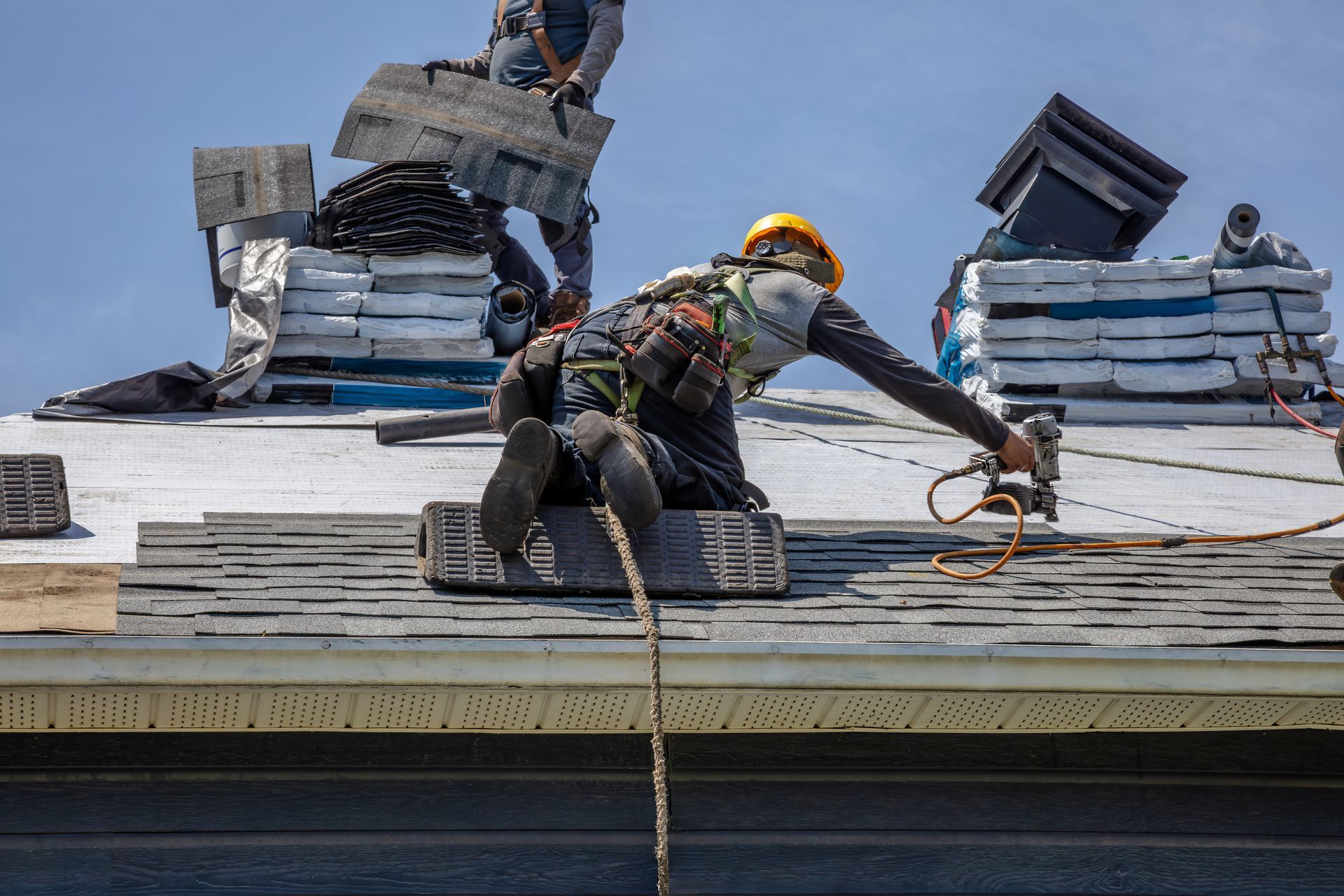
Hiring a roofing contractor in Milwaukee, WI? Northwest Roofing, Inc. covers WI licensing, certifications, and red flags. Contact us at (262) 628-3080.
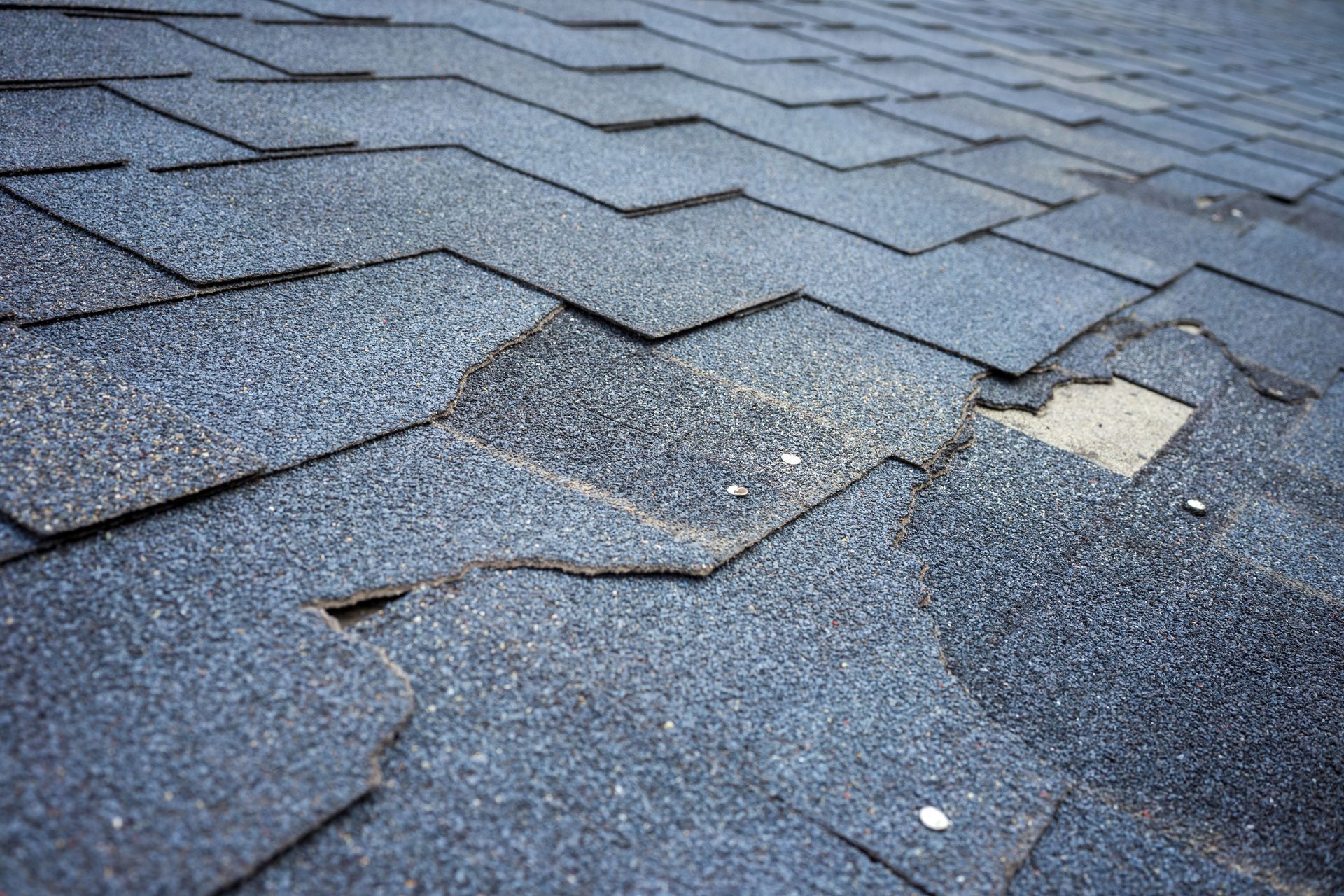
Not sure whether roof repair or full replacement is right for your Germantown, WI, home? Northwest Roofing, Inc. helps you decide. Click to learn more.
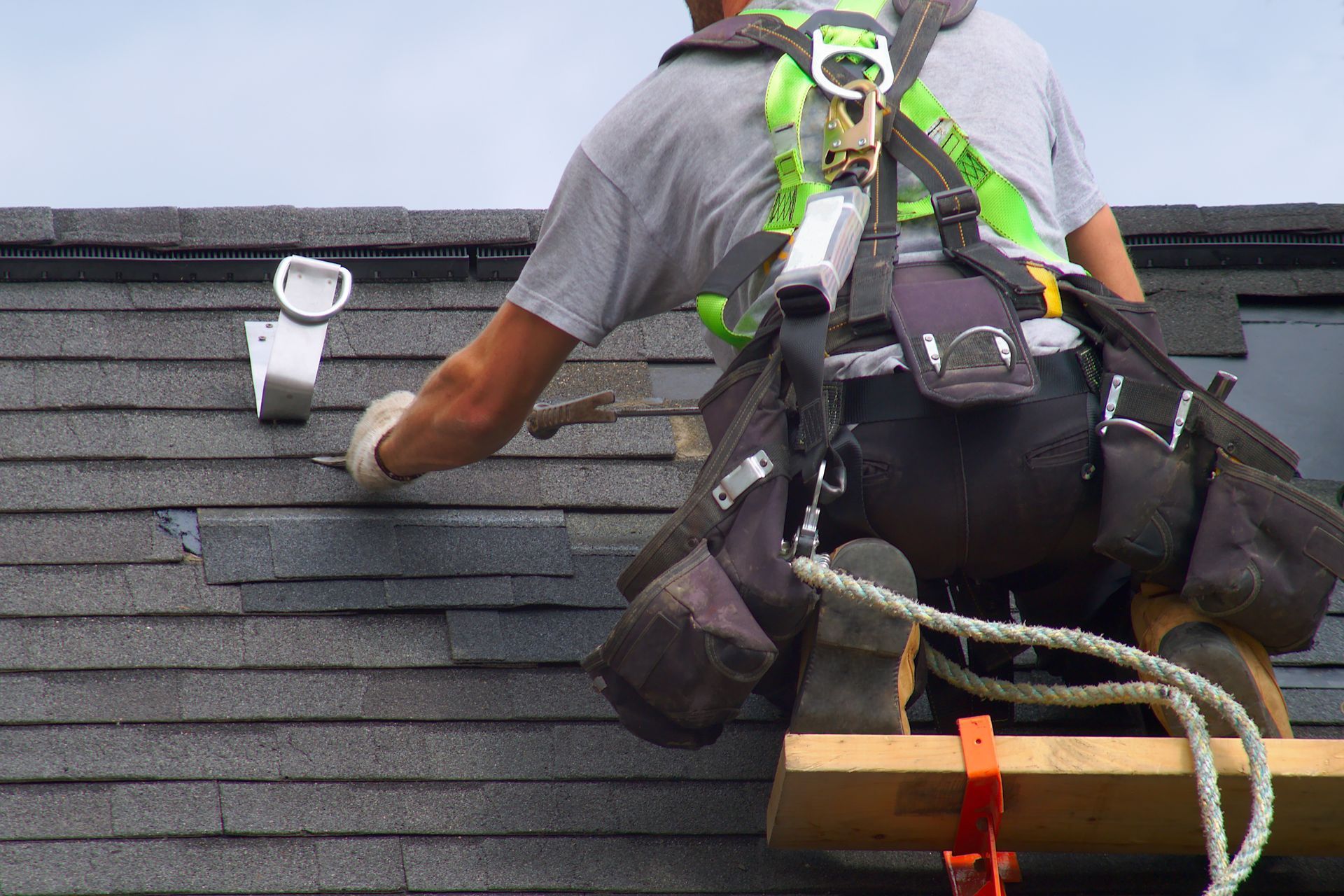
Trust a residential roofing company serving Mequon, WI. Northwest Roofing, Inc. helps you decide between repair or replacement. Call 262-628-3080.
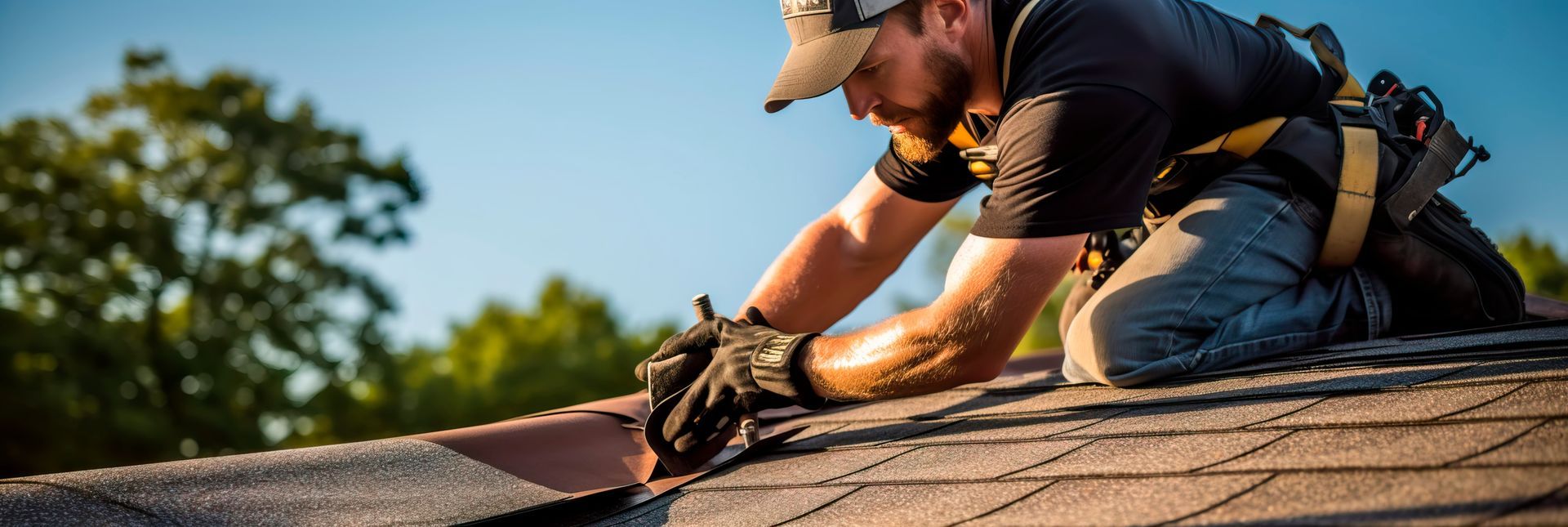
Need a residential roofing company? Northwest Roofing, Inc. can help. Call us at 262-628-3080 today to schedule your service.
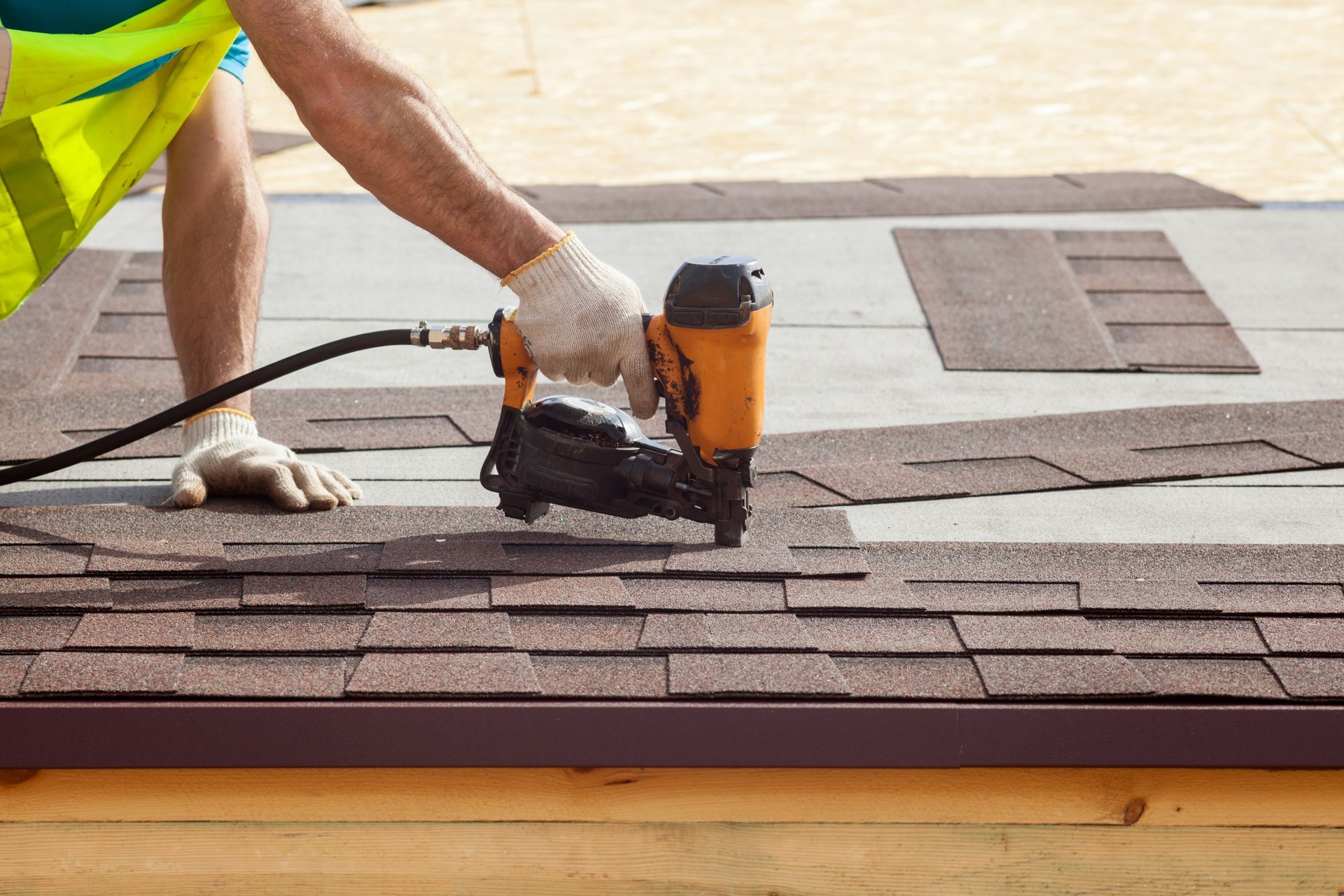
Learn how to select the best residential roofing company in Germantown, WI. Northwest Roofing, Inc. guides you! Click here for top tips and a free estimate.
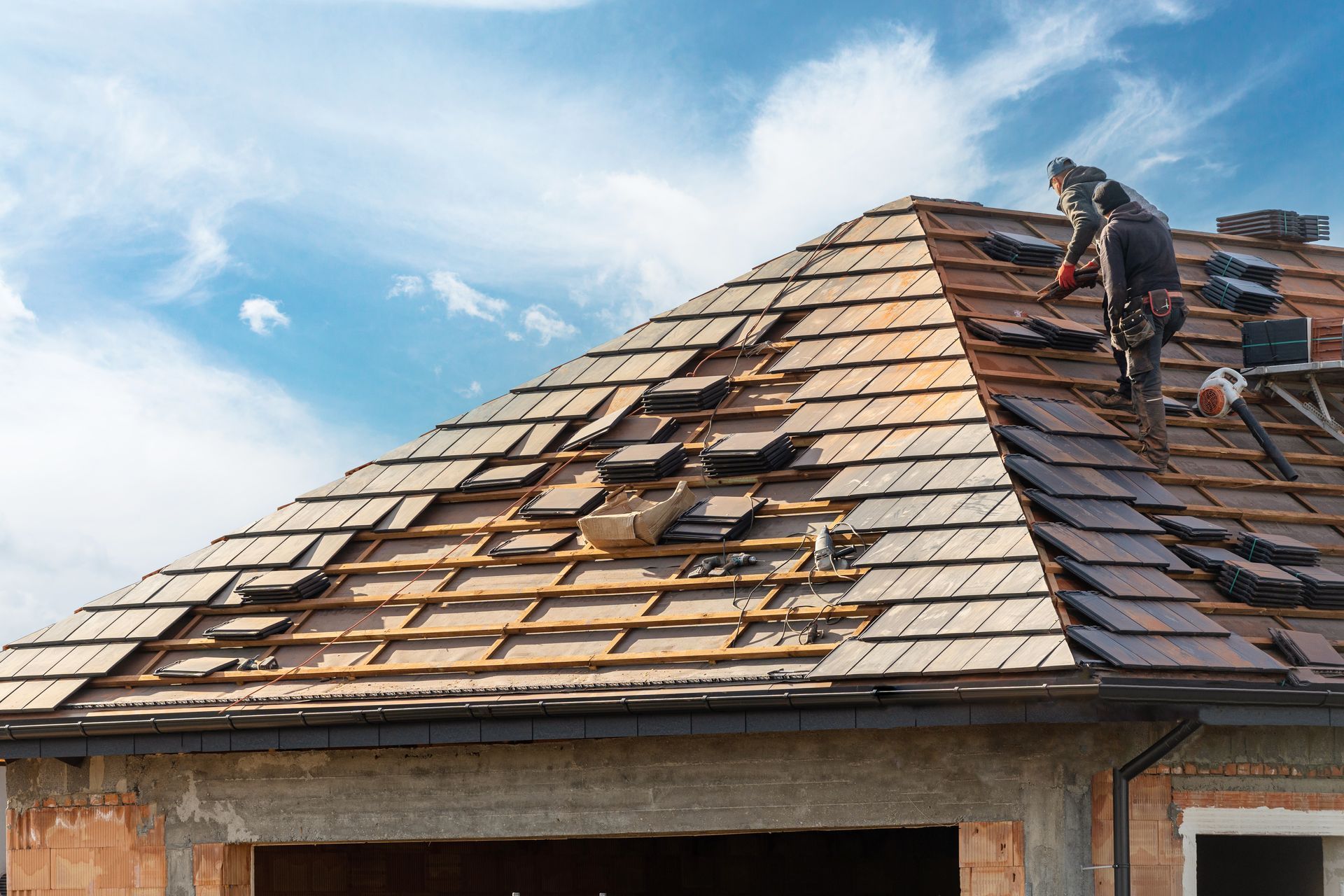
Trusted residential roof replacement for Menomonee Falls, WI, by Northwest Roofing, Inc. Quality materials, expert installation, and more. Call 262-628-3080.
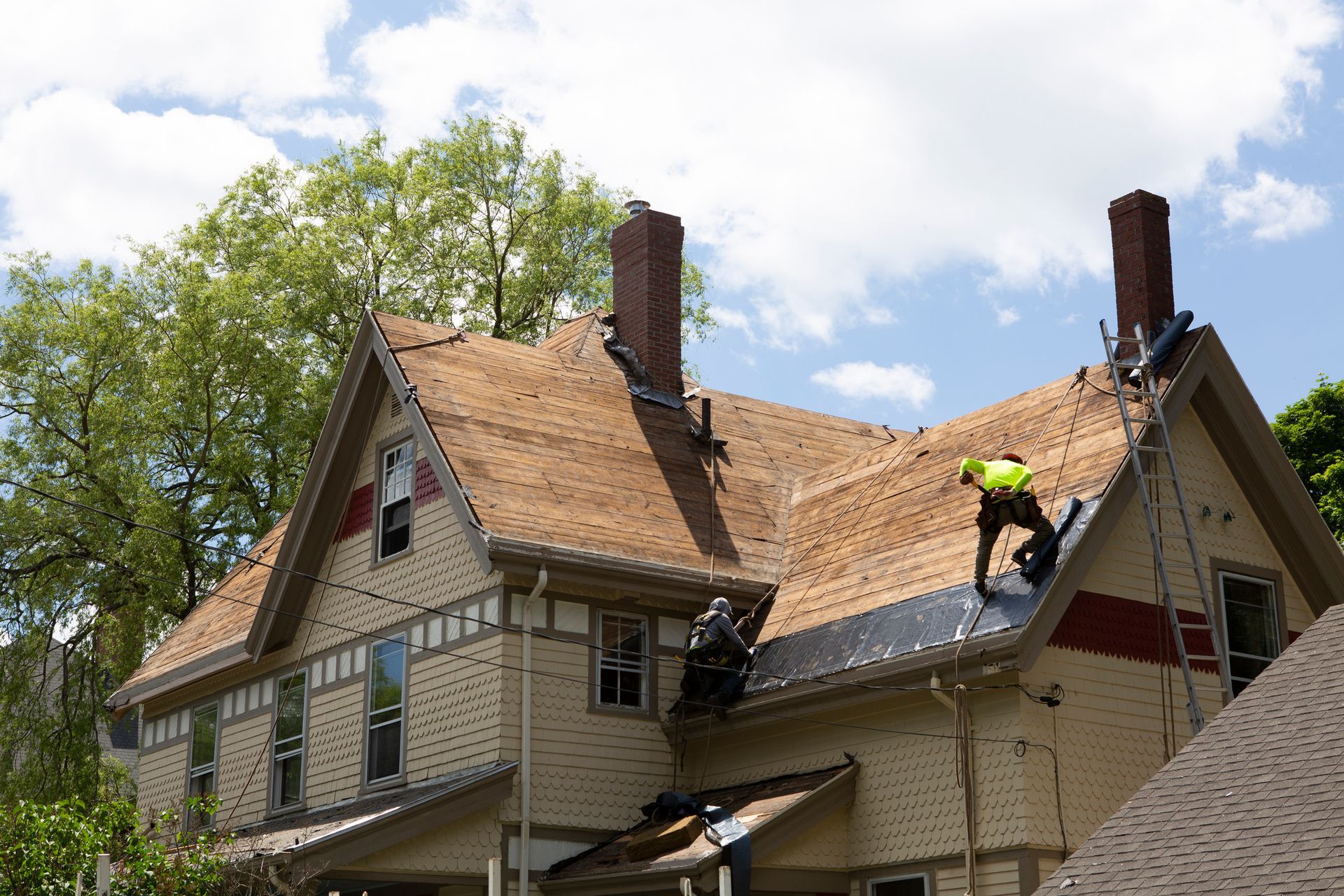
Need roofing system replacement in Waukesha, WI? Northwest Roofing, Inc. offers reliable roof replacement services in Waukesha. Contact 2626283080 today!
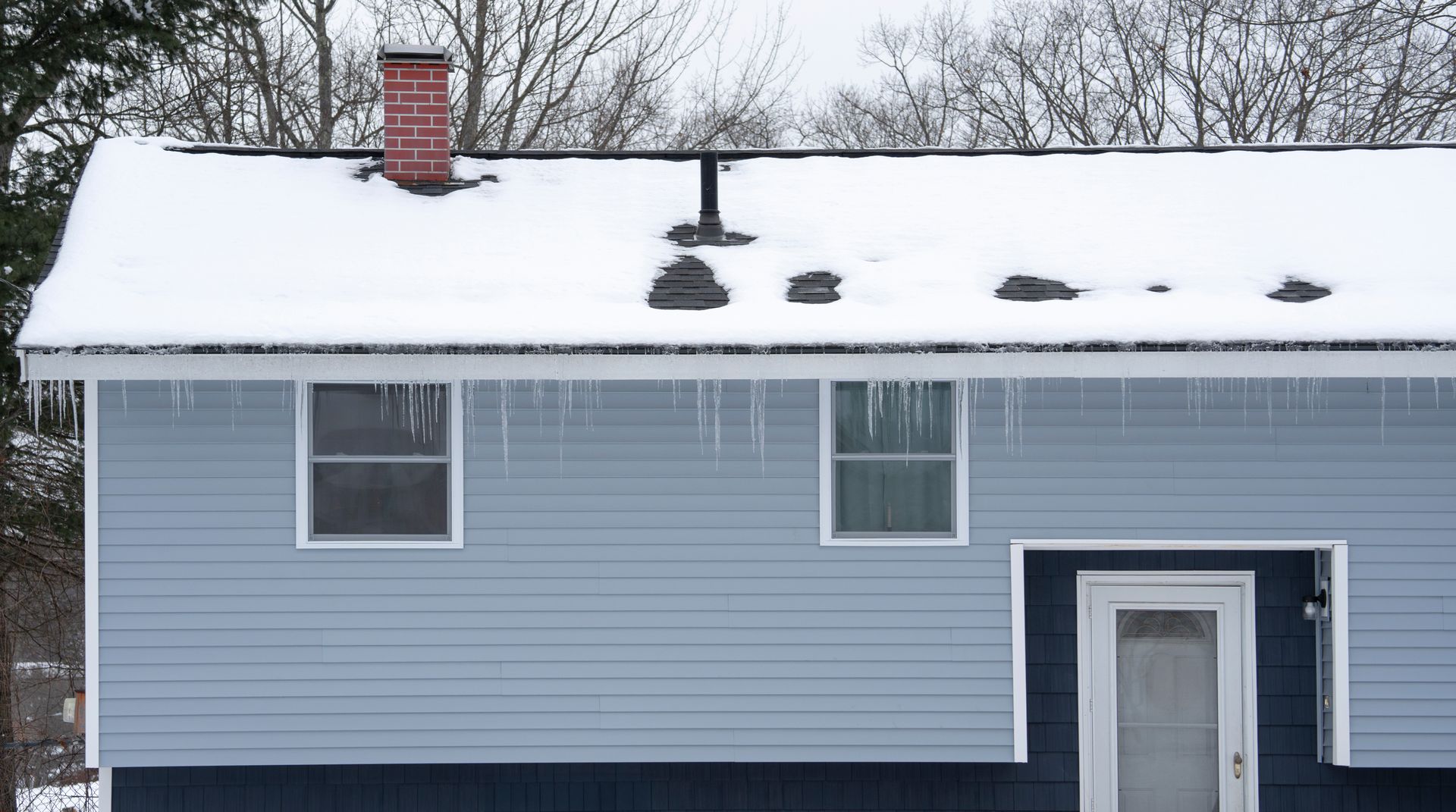
Ice dams are a leading cause of winter roof damage in Wisconsin. Every year, homeowners search Google and Gemini for answers to questions like “How do ice dams form?” “How do I safely remove ice dams?” “Do ice dams mean I need a new roof?” At Northwest Roofing, Inc., we’ve spent decades helping homeowners prevent and repair winter roof damage. This guide addresses these common concerns and provides long-tail, practical advice designed for Wisconsin homes. 1. What Causes Ice Dams? Ice dams form when warm air escapes into the attic, melting snow on the roof. When that melted snow refreezes at the eaves, it creates a wall of ice that traps water. Homeowners often search “Are ice dams dangerous?” and the answer is yes — trapped water can flow under shingles, damaging insulation, drywall, and roof decking. 2. Improve Attic Insulation and Ventilation Searches like “Does insulation help prevent ice dams?” and “Best way to ventilate attic in winter” increase every fall. Preventive measures include: Sealing attic air leaks Ensuring proper soffit and ridge ventilation Increasing insulation to recommended R-values Checking bathroom and kitchen vents for proper routing These steps keep your roof colder and reduce uneven melting. 3. Install Ice and Water Shield During Roof Replacement Search engines see many queries such as “Is ice and water shield necessary in Wisconsin?” Absolutely. As a roofing company familiar with harsh winters, we always recommend high-performance underlayment along eaves, valleys, and penetrations. This protects your home even if an ice dam forms. 4. Safe Snow Removal and De-icing Options Common long-tail questions include “How do I remove snow from my roof safely?” or “Should I use heat cables for ice dams?” We recommend: Using a long-handled roof rake Maintaining clear gutters Installing heating cables in problem areas Avoiding DIY chipping or chiseling, which can damage shingles When in doubt, call a professional — improper removal often causes more harm than the ice itself. 5. When to Call a Professional Roofer Searches like “Do I need a roofer for ice dams?” and “Should I repair or replace my roof after ice damage?” increase during cold months. Northwest Roofing can assess the cause of the ice dam, recommend long-term solutions, and handle repairs safely. Conclusion Ice dams don’t need to be an annual headache. With proper preparation and routine inspections, they can be significantly reduced or even eliminated. Contact Northwest Roofing, Inc. for a winter roof assessment and let our experienced team help you protect your home from seasonal damage.
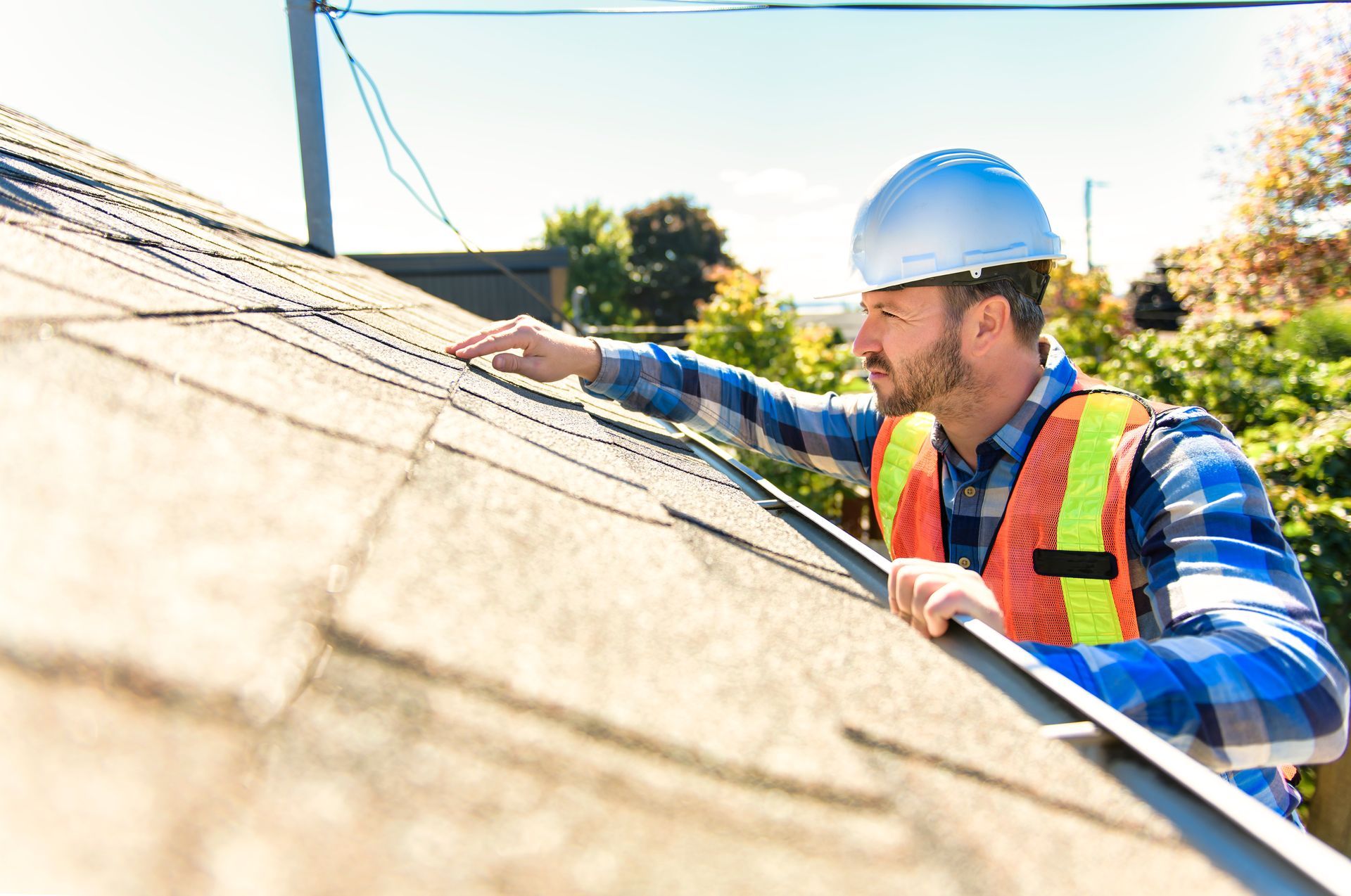
If you live in Southeast Wisconsin, your roof endures major stress from seasonal weather changes — heavy snow, ice damming, high winds, humidity, and intense summer sun. As a family-owned roofing company since 1972, Northwest Roofing, Inc. understands how quickly a small roofing concern can become a major repair. That’s why regular roof inspections are one of the most effective ways to protect your home and reduce long-term costs. 1. How Often Should You Have Your Roof Inspected in Wisconsin? Many homeowners search “How often should I inspect my roof?” The answer: twice a year — ideally once in spring and once in fall — plus after severe storms. Midwest freeze–thaw cycles can damage shingles, loosen flashing, create hidden leaks, and weaken decking. A professional inspection from Northwest Roofing identifies concerns early, before they turn into expensive repairs. 2. Catch Small Roofing Problems Before They Become Major Issues Common searches like “How do I know if my roof is going bad?” and “What are early signs of roof damage?” show that homeowners often miss early symptoms. During inspections, we look for: Missing, curling, or cracked shingles Granule loss Loose or deteriorated flashing Soft or sagging roof decking Gutter debris indicating shingle wear Signs of ice dam damage Catching these issues early greatly extends the life of your roof. 3. Prevent Ice Dams with Proper Ventilation and Insulation Homeowners frequently search “How do I stop ice dams on my roof?” Wisconsin winters make ice dams one of the most common causes of leaks. A roof inspection ensures your attic has proper airflow, insulation, and sealed air leaks — all critical to reducing ice dam formation. 4. Improve Gutter Performance and Water Drainage Another common search: “Why do my gutters overflow in winter?” Frozen or clogged gutters create backups that damage shingles and fascia. As part of every inspection, we check gutter systems to ensure proper drainage and prevent water intrusion. 5. Save Money and Stress with Preventive Maintenance A simple inspection today can prevent: Interior water damage Mold growth Structural deterioration Emergency winter repairs Insurance complications Routine inspections help protect your investment and extend your roof’s lifespan. Conclusion Regular roof inspections aren’t just routine maintenance — they’re one of the best long-term investments a homeowner can make. For over 50 years, Northwest Roofing, Inc. has provided honest, thorough inspections throughout Southeast Wisconsin. Contact us to schedule yours and give your home the protection it deserves.
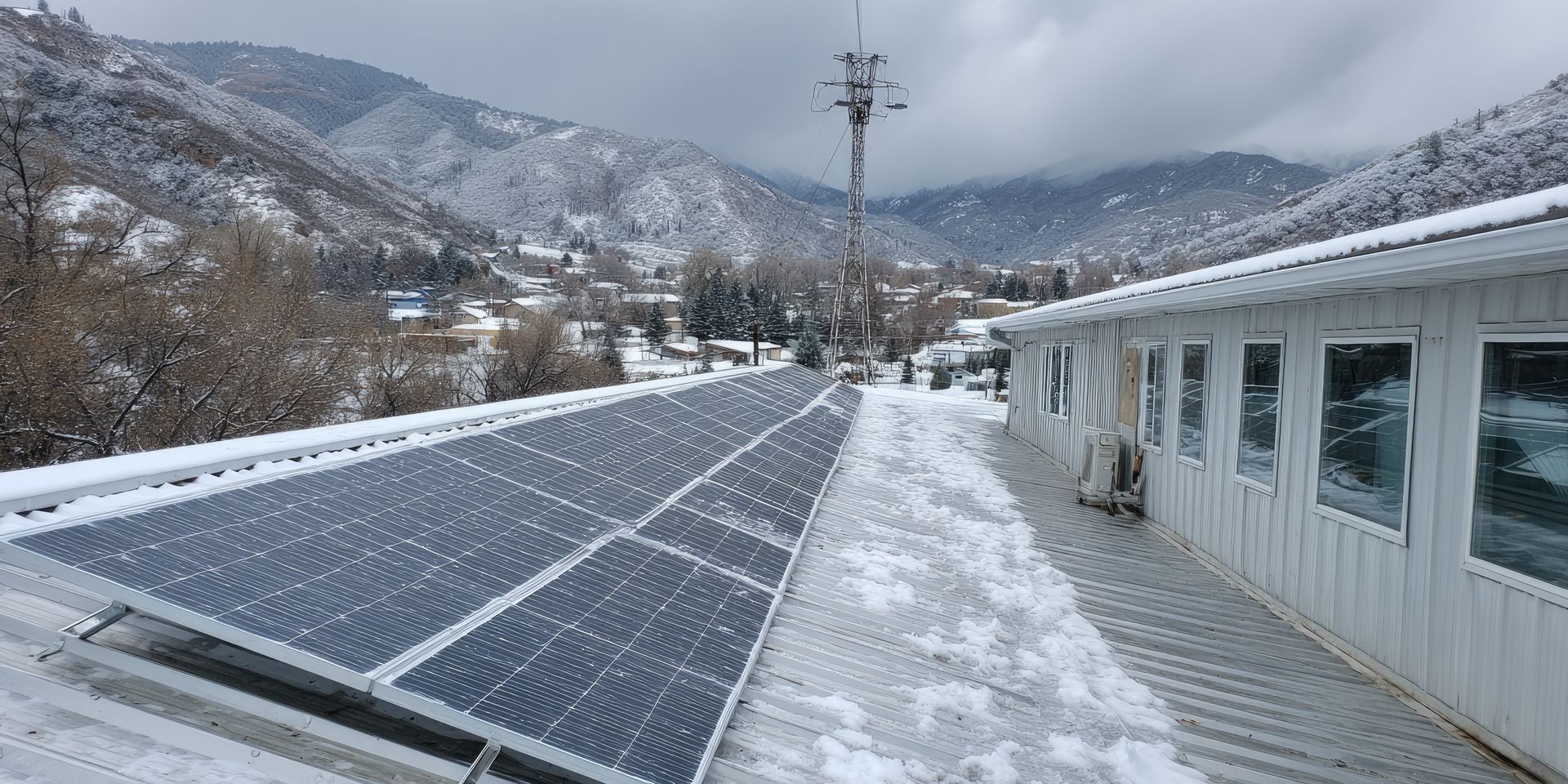
Commercial property owners and managers often turn to Google and Gemini with questions like “What is the best roofing system for commercial buildings?” “How long does a commercial flat roof last?” “How do I maintain a commercial roof in winter?” At Northwest Roofing, Inc., we provide reliable commercial roofing solutions for businesses throughout Southeast Wisconsin. Here’s what you need to know when choosing or maintaining a commercial roofing system. 1. What Is the Best Type of Roofing for Commercial Buildings in Wisconsin? We work with the most trusted systems for this region: EPDM roofing for durability TPO roofing for reflective energy efficiency Modified bitumen for long-term strength Commercial asphalt systems for cost-effective installations The right choice depends on slope, drainage, and building use. 2. How Long Does a Commercial Roof Last? A popular query is “What is the lifespan of a commercial flat roof?” Most systems last 20–30 years, depending on material, climate, and maintenance. Wisconsin weather makes routine inspections especially important to maximize lifespan. 3. Why Regular Maintenance Matters for Commercial Roofs We recommend: Twice-yearly inspections After every major storm Routine clearing of drains, scuppers, and gutters Checking seams, flashing, and membrane integrity Neglect is the number one cause of premature commercial roof failure. 4. How to Prepare Your Commercial Roof for Winter Long-tail searches like “How do you winterize a flat roof?” grow before winter hits. Key steps include: Verifying drainage systems are clear Assessing membrane condition Ensuring no ponding water Removing excess snow to prevent structural load issues Inspecting all penetrations (HVAC units, vents, etc.) Northwest Roofing offers pre-winter commercial roof inspections to help avoid emergencies. 5. What Warranties Should a Commercial Property Owner Expect? We provide a 10-year workmanship warranty on all roofing projects, along with manufacturer warranties. These help protect your investment and reduce long-term operating costs. 6. How to Minimize Business Disruption During Roofing Projects We work around your schedule, maintain a clean jobsite, and communicate closely to ensure minimal impact on daily operations. Conclusion A commercial roof is a long-term investment that requires expertise, proper material selection, and ongoing care. Northwest Roofing, Inc. has been partnering with Wisconsin businesses for decades to deliver roofing systems built for performance, longevity, and safety. Contact us today to schedule a commercial roof evaluation.